
Residential Gutter Materials Compared: Aluminum, Steel, Copper, and Vinyl
Residential gutter materials compared: aluminum, steel, copper, and vinyl, help homeowners choose the best option, while local contractors can expertly install the right gutters for their home.
Understanding the differences among residential gutter materials-such as aluminum, steel, copper, and vinyl-is an essential step for property owners considering gutter replacement or upgrades. Each material offers unique benefits and considerations, influencing factors like durability, appearance, and maintenance needs. Homeowners in the area who want to ensure their gutters stand up to local weather conditions and complement their property's style will find exploring these options helpful. Local contractors specializing in gutter installation can provide insights into which materials perform best in the local environment, helping property owners make informed decisions tailored to their specific needs.
As property owners continue to explore the various residential gutter materials compared, it becomes clear that choosing the right type can impact long-term performance and aesthetic appeal. Whether prioritizing strength, visual appeal, or affordability, understanding the strengths and limitations of aluminum, steel, copper, and vinyl can guide homeowners toward suitable choices. Connecting with experienced local service providers ensures that installation is handled properly, maximizing the benefits of the chosen material and maintaining the overall integrity of the home’s gutter system. Keep reading to learn more about each material and how local pros can assist in making the best selection.
- Residential gutters installation - homeowners considering different materials may need expert installation to ensure proper fit and function, with local contractors tailoring their approach to each material’s specific requirements.
- Aluminum gutter installation - those seeking durable and lightweight options often turn to local service providers experienced in handling aluminum for a seamless fit and long-lasting performance.
- Steel gutter installation - property owners wanting strong, impact-resistant gutters may rely on local pros skilled in installing steel systems that require precise handling and secure fastening.
- Copper gutter installation - individuals interested in premium, corrosion-resistant materials often contact local contractors who specialize in copper to achieve a high-quality, aesthetic finish.
- Vinyl gutter installation - clients looking for affordable and easy-to-install options frequently work with local pros experienced in vinyl systems that can be quickly and efficiently mounted.

When homeowners search for information on residential gutter materials compared: aluminum, steel, copper, and vinyl, they are typically looking to understand the differences in durability, appearance, maintenance needs, and overall performance of each option. This topic often comes up during planning or replacement projects, especially when considering how gutters will withstand local weather conditions and complement the property's style. People may also be exploring which materials will require less frequent repairs or replacements over time, aiming to find a balance between cost and longevity. The decision-making process is usually tied to specific property types, such as single-family homes, historic residences, or properties in areas prone to heavy rain or snow, where the right gutter material can make a significant difference in protecting the structure.
The kinds of problems connected to residential gutter materials compared: aluminum, steel, copper, and vinyl often involve issues like corrosion, warping, or cracking that can lead to leaks or gutter failure. Homeowners may be planning new installations or replacements after noticing water damage, overflowing gutters, or sagging sections. The choice of material directly impacts how well the gutters handle extreme weather, resist pests, and maintain their appearance over time. Local service providers who specialize in gutter installation can help assess a property's specific needs, recommend suitable materials based on environmental factors, and ensure proper installation to minimize future issues. Understanding these material differences allows homeowners to make informed decisions aligned with their property's unique requirements.
Properties that typically come up in discussions about residential gutter materials include a variety of home styles and ages. For example, historic or vintage homes often feature copper gutters for their classic look and durability, while newer, modern residences might opt for aluminum or vinyl due to their affordability and ease of maintenance. Larger properties or those in regions with harsh weather may require stronger materials like steel or copper to withstand the elements. Local contractors experienced in residential gutter installation can evaluate the property's size, style, and environmental conditions to recommend the most suitable material. They can also handle the installation process, ensuring that the gutters perform effectively and complement the property's overall aesthetic.
Choosing the right gutter material involves understanding how each option aligns with a home's specific needs and the local climate. Aluminum is lightweight, resistant to rust, and widely used for its versatility and affordability. Steel offers strength and durability, especially in areas with heavy snowfall or high winds, but may require protective coatings to prevent rust. Copper provides a distinctive appearance and excellent longevity, often favored for historic or upscale properties, though it comes with a higher cost. Vinyl is a budget-friendly choice that is easy to install and resistant to corrosion, making it popular for many residential projects. Local service providers can help homeowners compare these materials based on their property's characteristics and guide them toward the best choice for long-term performance and appearance.
Roof flashing installation - this project involves planning and installing metal components that protect roof edges, similar to the skills used in selecting and installing durable gutter materials.
Downspout and drainage system setup - designing and installing effective water diversion systems requires knowledge of materials and planning comparable to residential gutter material comparisons.
Exterior siding installation - working with different siding materials involves understanding material properties and installation techniques akin to choosing gutter materials for various needs.
Fascia and soffit replacement - replacing or repairing these components demands familiarity with metal and vinyl materials, paralleling the skills needed for gutter material installation.
Cladding and trim work - installing exterior cladding involves planning and material selection processes similar to comparing different gutter options.
Rainwater harvesting system setup - designing systems that collect and channel water shares planning and material knowledge similar to residential gutter material comparisons.

When evaluating residential gutter materials compared: aluminum, steel, copper, and vinyl, it’s important to consider the experience of local contractors with similar projects. Homeowners should seek service providers who have a proven track record installing and working with these specific materials. Contractors with relevant experience are more likely to understand the nuances of each material’s installation requirements, durability considerations, and aesthetic options. This familiarity can help ensure that the chosen gutter system performs well over time and aligns with the homeowner’s expectations for longevity and appearance.
Clear, written expectations are essential when comparing local contractors for residential gutter installation services. Homeowners should look for providers who can articulate details about the scope of work, material warranties, and maintenance considerations in writing. This transparency helps prevent misunderstandings and provides a reference point throughout the project. A detailed, written outline also demonstrates that the contractor is organized and committed to delivering a professional service, which can be especially valuable when selecting among different gutter materials and installation approaches.
Reputable references and good communication are key factors when choosing local contractors for residential gutter services. Homeowners should ask potential service providers for references from past clients who had similar projects involving different gutter materials. Speaking with previous customers can reveal insights into the contractor’s reliability, craftsmanship, and how well they communicate throughout the process. Effective communication ensures that homeowners stay informed, their questions are answered, and any concerns about the installation of materials like aluminum, steel, copper, or vinyl are addressed promptly. This approach helps foster a smooth, satisfactory experience from start to finish.
Property owners often search for residential gutter materials compared: aluminum, steel, copper, and vinyl when they are planning practical projects around their homes and businesses. Local pros provide Residential Gutters Installation services for everyday jobs and straightforward project options.
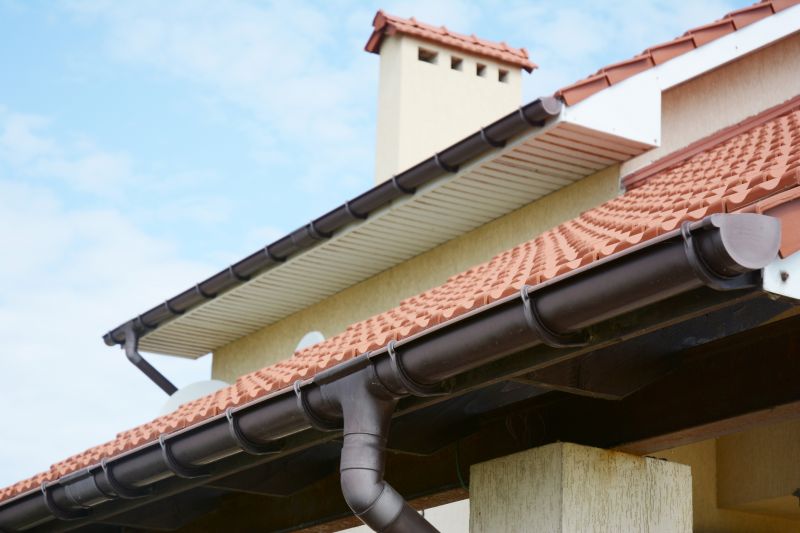

When considering residential gutter materials compared: aluminum, steel, copper, and vinyl, property owners often evaluate factors like durability, appearance, and maintenance needs. For example, aluminum gutters are popular due to their lightweight nature and resistance to rust, making them suitable for straightforward installations and long-term use. Steel gutters, on the other hand, offer strength and longevity but may require rust-proofing treatments, which local contractors can help assess and install. Copper gutters provide a distinctive look and excellent durability, often appealing to homeowners seeking a more decorative style, while vinyl options tend to be budget-friendly and easier to install, making them a common choice for DIY projects or quick upgrades.
Understanding the differences among these residential gutter materials can help property owners make informed choices based on their specific needs and home styles. Local service providers specializing in gutter installation can guide homeowners through the selection process, ensuring the chosen material aligns with the property's weather conditions and aesthetic preferences. Whether the goal is a low-maintenance setup or a more decorative appearance, connecting with experienced contractors can ensure proper installation and optimal performance of the gutter system, tailored to the unique demands of the local area.
What are the main differences between aluminum, steel, copper, and vinyl gutters? Residential gutter materials compared: aluminum, steel, copper, and vinyl vary in durability, appearance, and maintenance needs. Local contractors can help determine which material suits specific home styles and conditions.
How does the durability of these gutter materials compare? Aluminum and steel gutters tend to be more durable than vinyl, with copper offering long-lasting resistance to corrosion. Local service providers can advise on the best choice based on climate and home exposure.
Are some gutter materials easier to install than others? Vinyl gutters are generally easier to install due to their lightweight nature, while metal options like aluminum, steel, and copper may require more specialized handling. Local pros have the expertise to ensure proper installation of any material.
Which gutter materials are most resistant to corrosion and weather damage? Copper and aluminum are highly resistant to corrosion, making them suitable for harsh weather. Steel can be treated for rust resistance, and vinyl is unaffected by moisture, with local contractors able to recommend the best options for specific environments.
Can local contractors help decide which residential gutter material is best? Yes, experienced local service providers can assess a home's specific needs and recommend the most suitable gutter material based on durability, appearance, and installation considerations.
Assessing durability needs - property owners can evaluate which residential gutter materials compared: aluminum, steel, copper, and vinyl, best suit their climate and wear conditions by consulting local contractors.
Matching style and maintenance preferences - homeowners can choose gutter materials that complement their home’s aesthetic and maintenance routine, with local pros providing guidance on options like copper’s classic look or vinyl’s low upkeep.
Considering installation environment - property owners might consider the specific environmental factors of their property, such as exposure to salt or heavy rain, and seek local service providers experienced with different gutter materials.
Planning for long-term performance - those planning a residential gutter upgrade can explore how each material’s lifespan and resistance to corrosion align with their property’s needs, with local contractors offering tailored recommendations.
If you are thinking about residential gutter materials compared: aluminum, steel, copper, and vinyl for a property, this guide is meant to help you understand this topic, the typical project types, and how different options might fit your plans.
When you are ready, you can use the quote form on this page to share a few details about your project. From there, local pros can review the basics and follow up with options that match what you have in mind.